The Digital Detox Blueprint: 10 Essentials to Reclaim Your Life from Screen Addiction
The Invisible Tether Holding Modern Adults Hostage
We are living through the greatest attention heist in human history.
Not through force. Not through fear. But through design.
Every notification buzz, infinite scroll, autoplay video, and glowing red badge is engineered to pull you back in, again and again, until checking your phone becomes less of a choice and more of a reflex. We didn’t wake up one day and decide to be exhausted, distracted, and mentally scattered. We drifted into it quietly, one harmless scroll at a time.

For adults, students, professionals, entrepreneurs, Gen Z, and even high performers, screens have become both a tool and a trap. Work demands them. Relationships rely on them. Entertainment flows endlessly through them. The line between using technology and being used by it has blurred beyond recognition.
What makes this crisis dangerous isn’t excess alone, it’s normalization.
We call distraction “multitasking.”
We call burnout “being busy.”
We call addiction “staying connected.”
Yet beneath the constant stimulation lives another version of you. A calmer version. A focused version. A deeply creative and emotionally present human being who doesn’t need notifications to feel alive or validated.
This guide is not about quitting technology or disappearing from the digital world. It’s about digital sovereignty, the ability to decide, consciously and confidently, where your attention goes.
Imagine waking up without anxiety pulling you into emails before your feet touch the floor. Imagine finishing work with energy left for life. Imagine conversations that feel rich again because no screen competes for your presence.
That life is not a fantasy.
It’s a system.
And these ten essentials form a practical, realistic blueprint to reclaim it.
Why Screen Addiction Is Not a Willpower Problem (But a Design Problem)
Before diving into solutions, one truth must be clear: this is not your fault.
Modern apps are built on persuasive design. Their business model depends on keeping you engaged for as long as possible. That means hijacking dopamine, exploiting uncertainty, and reducing friction until checking your phone feels automatic.
When adults blame themselves, “I lack discipline,” “I’m addicted,” “I should know better” , they miss the real issue. You’re not weak. You’re outmatched by systems designed by behavioral scientists.
That’s why this blueprint focuses less on motivation and more on environment, friction, and replacement. You don’t fight a system with willpower. You redesign your life so the system loses its grip.
Essential 1: The Grayscale Transformation — Break the Dopamine Loop

Your phone is addictive because it is intentionally colorful.
Bright reds signal urgency. Blues convey trust. Infinite visual novelty keeps your reward system firing. This isn’t accidental. It’s neuroscience.
When you switch your phone to grayscale mode, you remove the emotional reward while keeping functionality intact. Social media suddenly feels dull. Apps lose their “pull.” The neurological itch weakens.
What happens next is powerful.
You pause.
You question.
You regain control.
Grayscale doesn’t block usage, it reveals intention. You begin asking, “Why am I opening this?” And in that question, compulsion breaks.
This single setting change is often enough to reduce screen time by 30–50% without effort. It turns your phone back into a tool, not a slot machine.
Essential 2: The Analog Alarm Clock — Defend Your First Hour
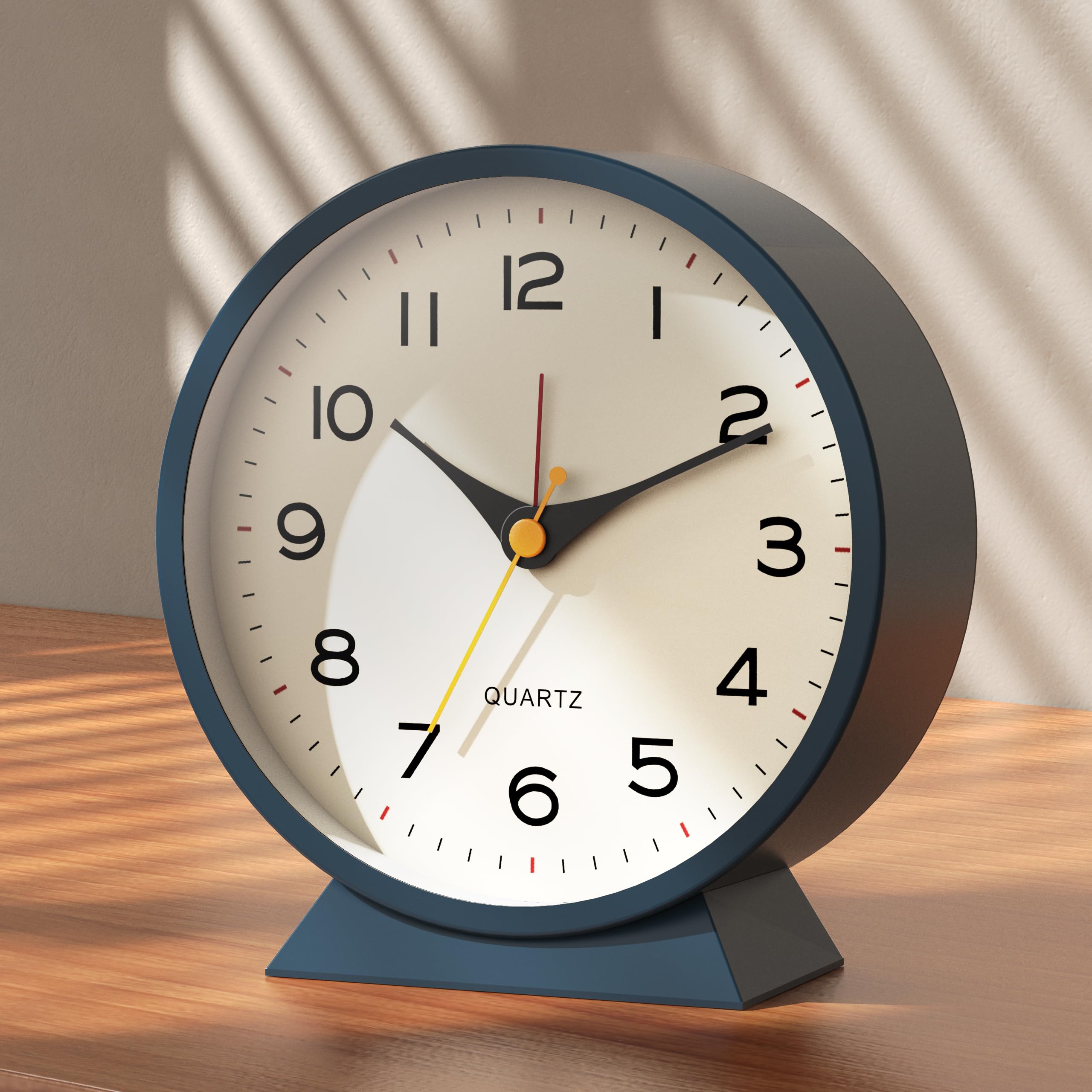
If your phone is your alarm clock, your day begins inside the digital world.
The moment you silence the alarm, notifications pull you into work, news, and other people’s priorities.
Replacing your phone with an analog alarm clock creates a powerful physical boundary. Your bedroom becomes a screen-free zone. Your mornings become yours again.
The first hour of your day sets your nervous system. Without screens, cortisol levels stabilize. Thoughts slow down. Creativity returns. You start the day responding to life, not reacting to apps.
This one change improves sleep quality, reduces anxiety, and restores focus more reliably than most productivity hacks combined.
Essential 3: Paper Journals — The Lost Art of Slow Thinking

Screens accelerate thought. Journals deepen it.
Writing by hand activates cognitive processes that typing bypasses. It slows you down just enough to think clearly. No notifications interrupt. No algorithms redirect you.
A paper journal becomes an offline sanctuary—where thoughts unfold fully, emotions process safely, and ideas mature without performance pressure.
Over time, journaling replaces scrolling as your default response to boredom, stress, or overthinking. Instead of consuming noise, you create clarity.
In a world optimized for speed, slow thinking is a competitive advantage.
Essential 4: The Phone Hotel — Create Physical Distance

The mere presence of a phone can reduce cognitive capacity, even when it is unused. This is known as the proximity effect.
A “Phone Hotel”, a designated charging station outside bedrooms and workspaces, removes temptation by distance. When the phone has a home, your mind relaxes.
Evenings feel longer. Conversations deepen. Your brain finally disconnects from constant alertness.
This is not a restriction. It’s intentional separation, and it restores presence instantly.
Essential 5: Noise-Canceling Headphones — Control the Environment
Many adults turn to screens not for pleasure, but for escape. Noise. Chaos. Mental overload. Screens become a refuge.
Noise-canceling headphones solve the real problem: overstimulation.
By creating a focus bubble through silence, ambient sound, or calm music, you remove the need for digital escape. Attention stabilizes. Anxiety drops.
This is especially powerful for students, Gen Z, and remote professionals who live in noisy environments. Control the sound, and screens lose power.
Essential 6: Friction-Based App Blockers — Outsmart Impulse

Willpower fades. Systems don’t.
App blockers introduce friction, the one thing tech companies remove. When an app is blocked, the habit loop is broken before it can start.
That pause reconnects you to your intention. Decision fatigue disappears. Mental energy returns.
This is not self-control. It’s self-leadership, designing systems that protect your future self from momentary impulse.
Essential 7: Analog Hobbies — Rebuild Patience and Flow

Screens deliver instant dopamine.
Real joy requires effort.
Analog hobbies, puzzles, crafts, music, and cooking retrain your brain to tolerate delay and enjoy the process. Heart rate slows. Focus deepens. Flow emerges.
This rewiring is crucial. Without replacement, detox fails. With it, screen cravings fade naturally.
Joy that is earned lasts longer than joy that is consumed.
Essential 8: Blue-Light Blocking Glasses — Respect Biology

Screens confuse your circadian rhythm. Blue light suppresses melatonin, disrupts sleep, and increases emotional volatility.
Blue-light blockers protect your eyes and your nervous system. They create a psychological boundary between work and rest.
Better sleep leads to better discipline.
Better discipline leads to less scrolling.
Biology always wins. Design accordingly.
Essential 9: The Pocket Library — Replace Scrolls with Wisdom

We scroll because we fear boredom.
Books eliminate that fear.
Carrying a physical book turns gap moments into growth moments. Attention span rebuilds. Thinking deepens.
Books expand perspective in ways short-form content never can. Over time, the phone feels smaller. Your inner world grows larger.
Essential 10: Outdoor Dead Zones — Nature as Detox

Nature restores attention effortlessly.
No notifications. No metrics. No urgency.
Leaving your phone behind, even briefly, recalibrates your nervous system. You stop documenting life and start living it.
This is where clarity returns.
This is where perspective expands.
Nature doesn’t demand attention; it heals it.
Long-Term Benefits of Digital Detox for Adults
When screen time reduces, life expands:
- Sharper focus and creativity
- Better sleep and emotional regulation
- Deeper relationships
- Higher productivity with less burnout
- Stronger sense of self-control
This isn’t about doing less.
It’s about living better.
Key Takeaways: Your Digital Sovereignty Checklist
- Kill dopamine loops with grayscale
- Protect mornings and sleep fiercely
- Replace willpower with systems
- Swap scrolling for analog joy
- Let nature reset attention
FAQ: Reducing Screen Time for Adults
Is screen addiction real for adults?
Yes. Behavioral addiction affects all ages, especially knowledge workers.
How much screen time is healthy?
Work excluded, under 2–4 hours of recreational use daily is ideal.
Can this work for remote jobs?
Yes, remote workers need boundaries more than anyone.
Reclaim the Throne
The screen is a brilliant servant and a terrible master.
By adopting even one of these essentials, you begin reclaiming focus, clarity, and self-trust.
The future belongs not to the most connected but to the most intentional.
Which essential will you implement today?
Comment below. Share this with someone who needs a digital reset.
Please hit the like button if you're inspired, share it with friends who need a boost, and drop a comment with your thoughts or questions! Together, let’s build a community of future achievers and leaders!
DREAM...BELIEVE...ACHIEVE!!!
DK
“Be the change that you wish to see in the world.”
To unlock the power of your voice and master the art of communication visit our Communication Mastery page
For more Inspirational and Motivational Life Quotes visit our Dreamers Quotes page, Dreamographic Posters page, and Resource Hub page for inspiring articles on personal development.
As a value-added service for our community, read the ultimate free guide on landing your Dream Job!
Suggested Reads:
Top 1o Vivekananda Motivational Quotes
Disclaimer: The material and information contained on this website is for general information purposes only. You should not rely upon the material or information on the website as a basis for making any business, legal or any other decisions.
Dreamappsinc makes your Dreams come true - Your Journey from Dreaming to Doing Starts Here!
© 2025 DreamAppsInc Solutions. All Rights Reserved.
No comments:
Post a Comment